publications
publications by categories in reversed chronological order. generated by jekyll-scholar.
2026
- ICML, 2026 · * equal contributionWe introduce CoSiNE, a neural CTMC model of antibody affinity maturation that provably approximates the sequential point mutation process while disentangling selection from somatic hypermutation to enable inference-time affinity optimization.
2025
-
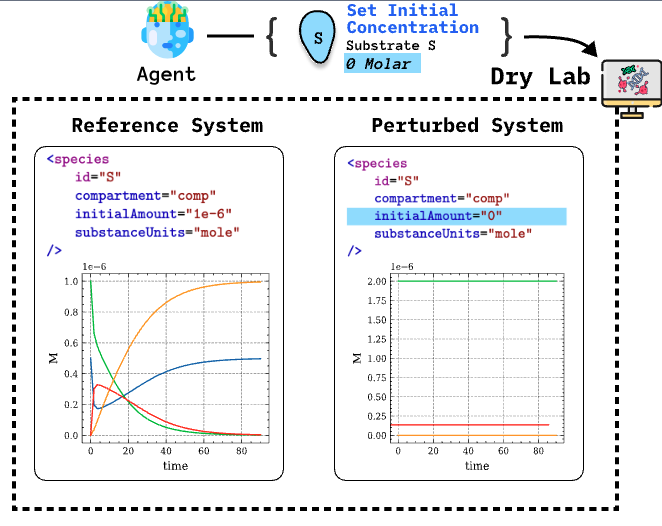 NeurIPS Datasets and Benchmarks Track, 2025 · * equal contributionWe introduce SciGym, a benchmark assessing LLMs’ iterative experiment design and interpretation abilities using systems biology dry labs as efficient, realistic testbeds for open-ended scientific discovery.
 -
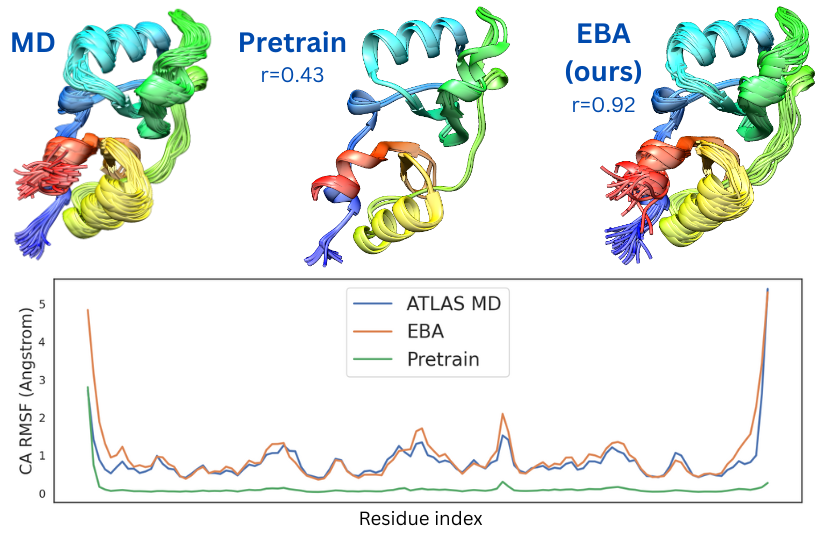 ICML, 2025We introduce Energy-based Alignment (EBA), calibrating protein conformation generative models with molecular energy feedback to thermodynamically weight conformational states at state-of-the-art accuracy on MD ensemble benchmarks.
 -
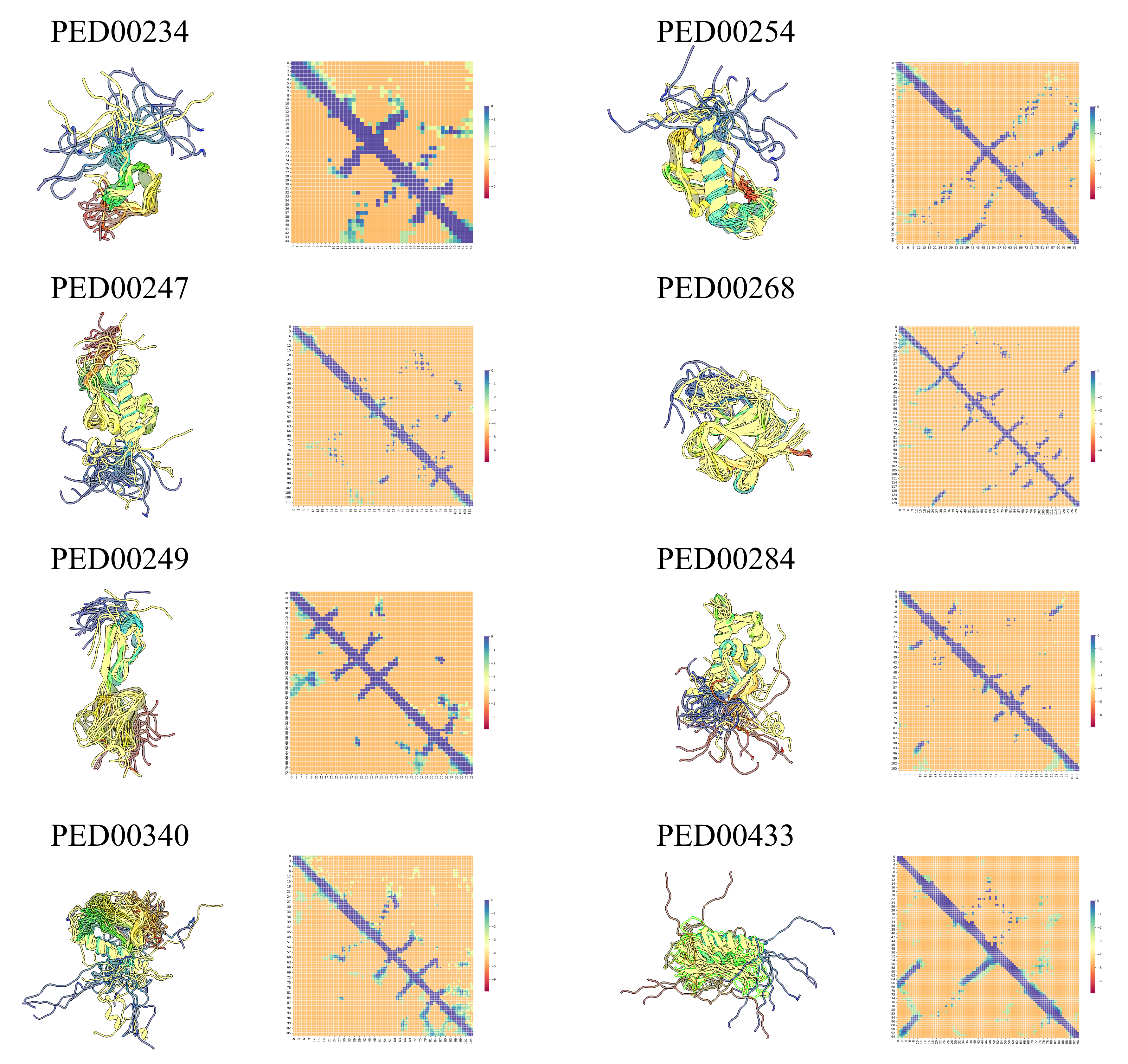 ICLR, 2025We introduce Structure Language Modeling (SLM), encoding protein structures as discrete tokens for autoregressive conformation generation that achieves a 20–100× speedup over diffusion-based methods while covering diverse ensemble modes.
 -
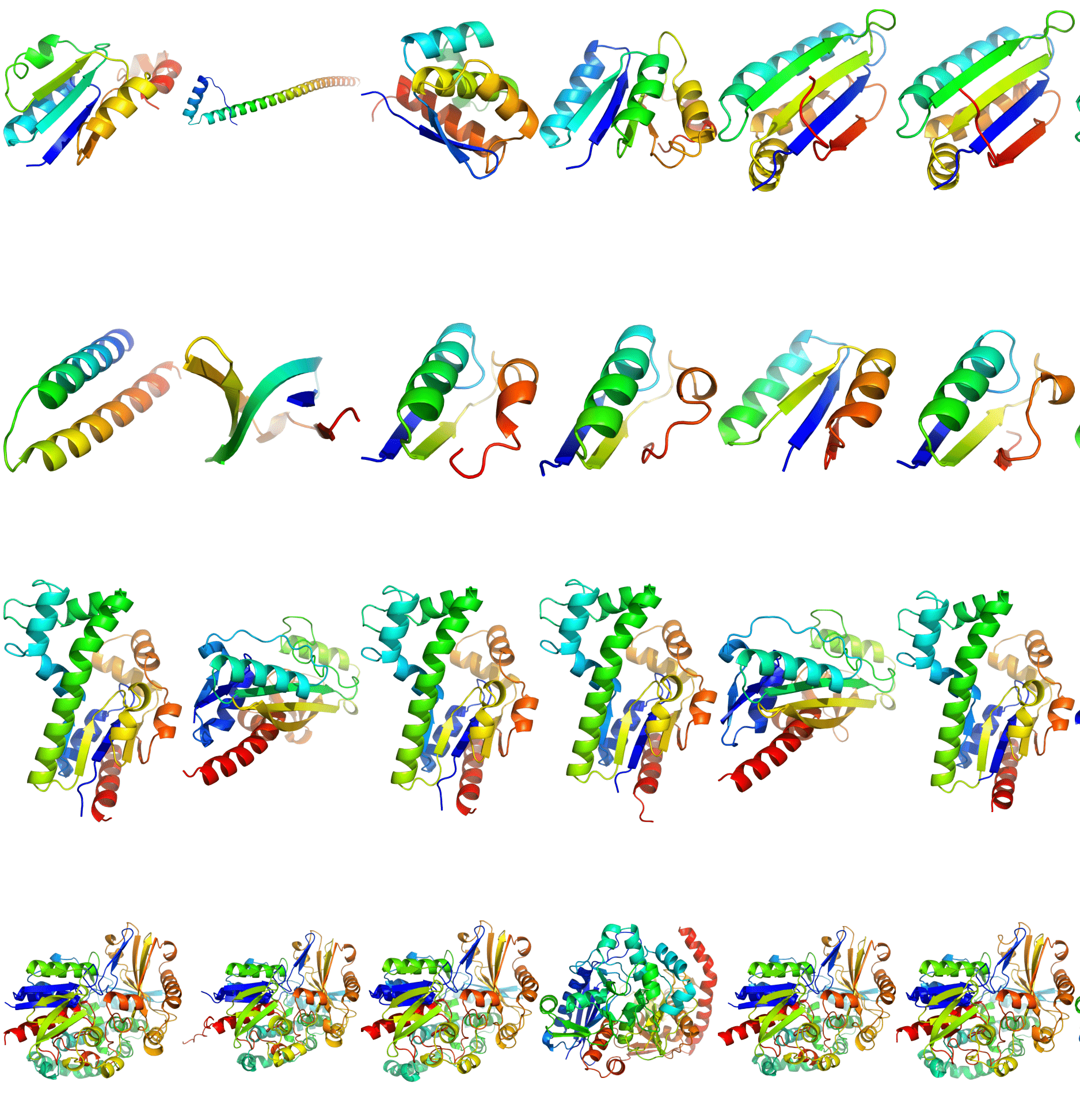 LMRL Workshop at ICLR, 2025We introduce a ranked iterative decoding scheme that unlocks protein language models for sequence-structure co-design, showing that ESM3 with effective sampling can outperform specialized co-design architectures.
2024
-
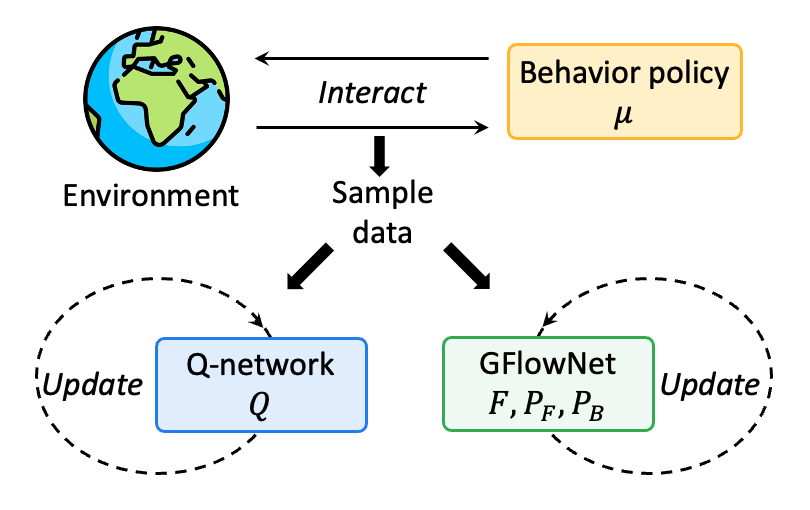 NeurIPS, 2024We introduce QGFN, combining GFlowNet policies with action-value estimates via a mixing parameter to enable controllably greedy sampling that improves high-reward generation without sacrificing the diversity GFlowNets are designed for.
 -
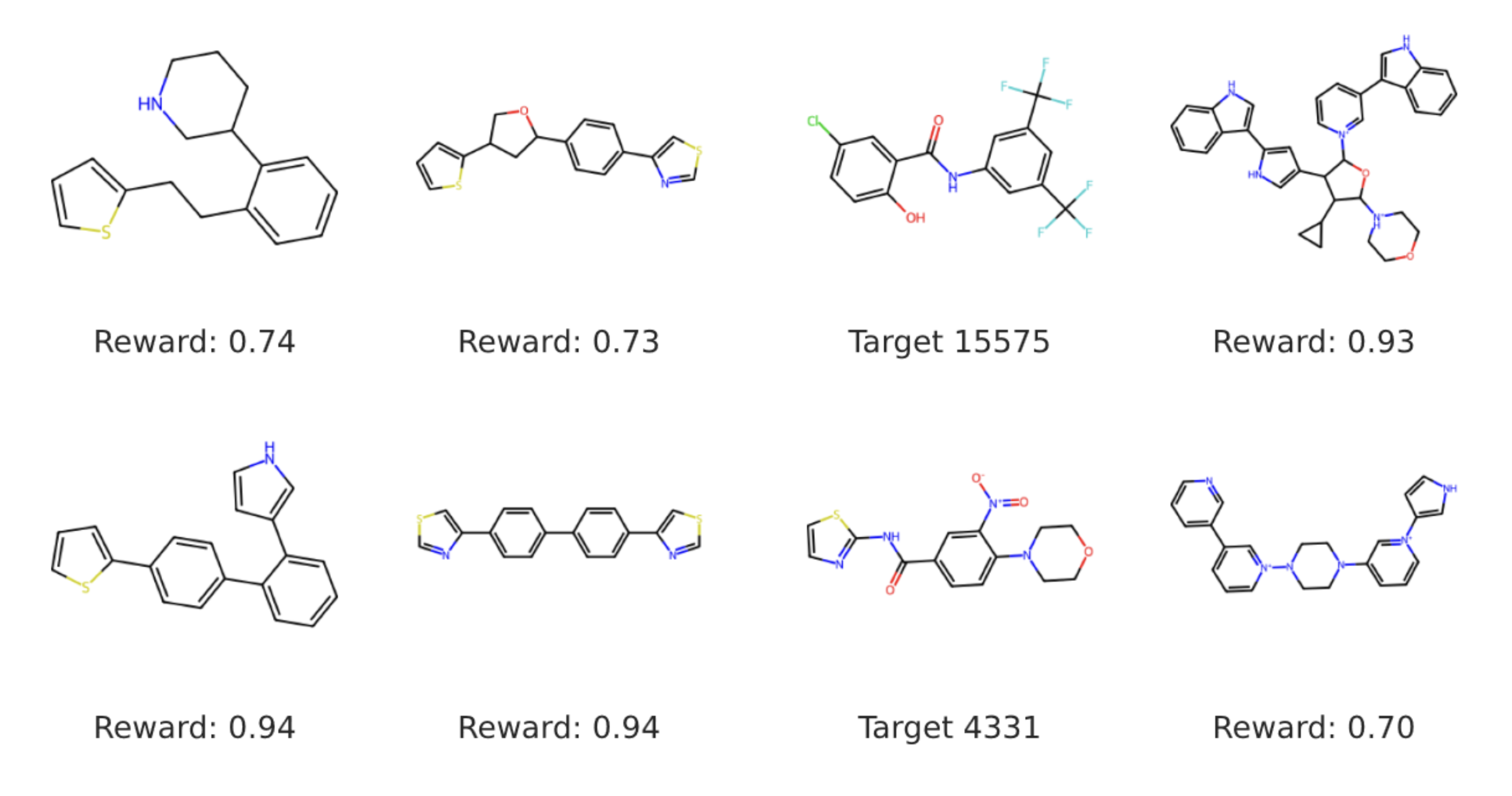 ICML Workshop on Structured Probabilistic Inference & Generative Modeling, 2024We propose an HCI-guided molecular design framework using a multimodal joint embedding as a GFlowNet reward, generating molecules predicted to produce phenotypic effects similar to a given cell morphology image target.
2020
-
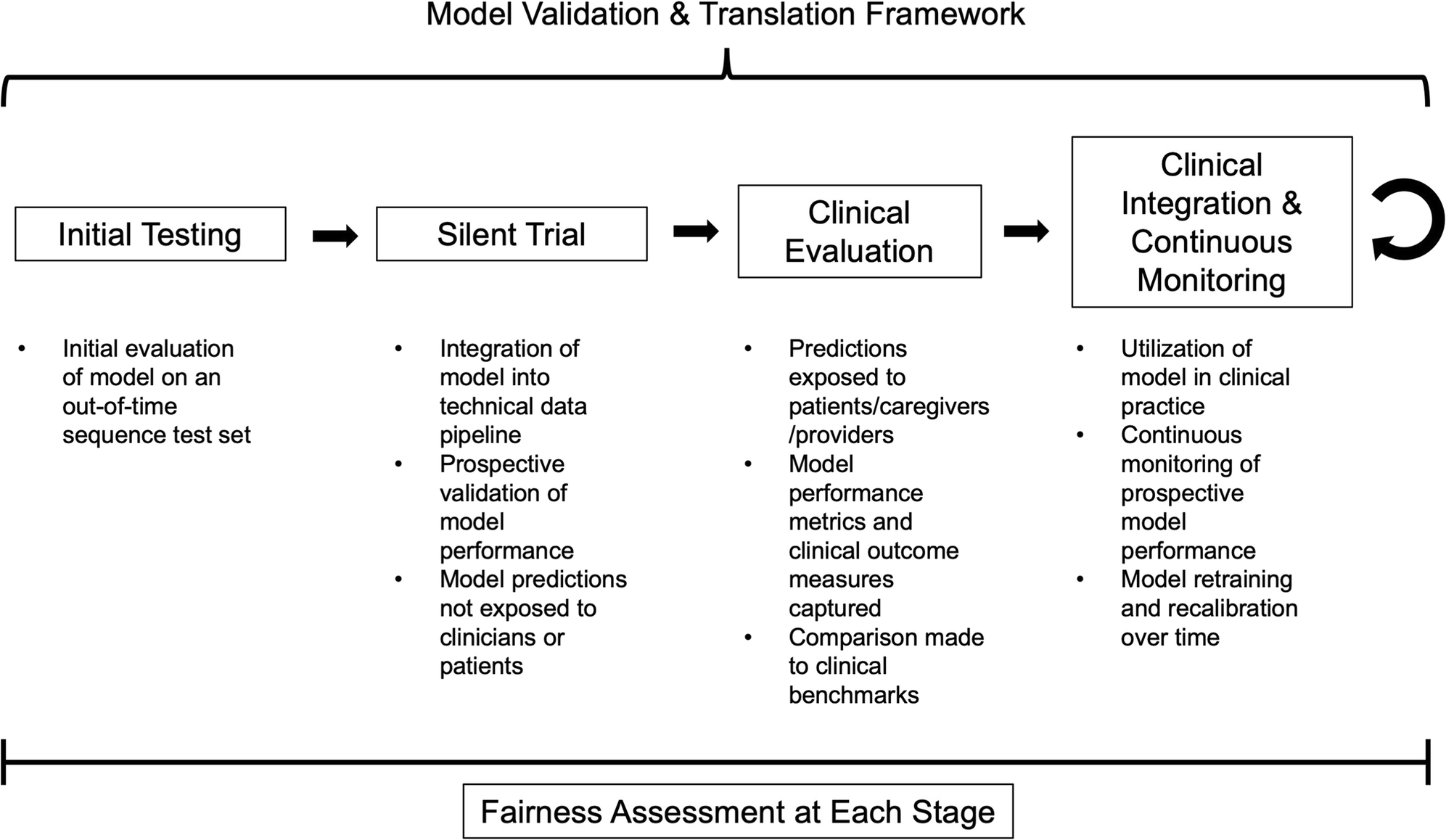 Current Treatment Options in Pediatrics, 2020We outline the unique clinical, technical, and ethical considerations for ML in pediatrics, providing a common pipeline from project ideation through model translation into clinical practice.